
Understanding Recladding Cost in New Zealand: A Strategic Guide for Homeowners
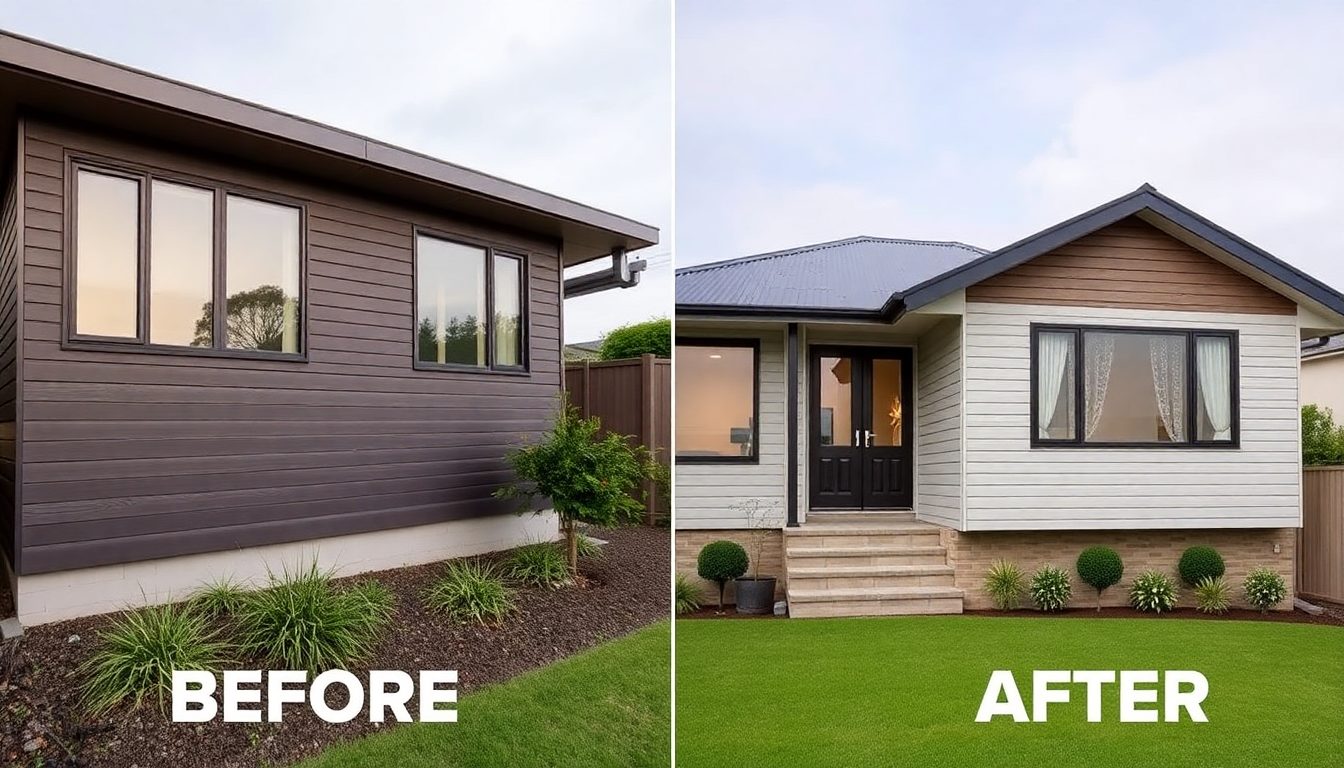
The Real Cost of Recladding: More Than Just Materials
The straightforward figures, $200,000 to $400,000 for an average-sized home, only tell part of the story. Yes, material and labour are the largest components of recladding cost, but experienced renovators know that it's the unseen variables that often escalate budgets.
Framing Replacement
Even with positive moisture test results, hidden rot is common once the cladding is removed. Budgeting only for surface work is a rookie mistake; wise homeowners assume a worst-case scenario with potential framing replacement costs of $40,000 to $80,000. Studies indicate that construction practices from the 1990s have left many homes vulnerable to hidden weathertightness failures, making thorough inspection critical.
Building Consent and Consultancy Fees
These "soft costs", architectural design, building consent, and consultant inspections, typically add another $15,000 to $25,000 to your recladding project but are critical for compliance and resale value.
Many homeowners focus solely on visual upgrades. However, the smartest ones prioritize structural improvements first, ensuring the reclad not only beautifies but genuinely future-proofs the property.
Hidden Factors That Inflate Recladding Costs
Beyond the obvious, several hidden factors can dramatically impact your recladding cost:
Site Access Challenges
A steep section, narrow driveway, or even proximity to neighbors can require extensive scaffolding, costing up to an additional 10% of the total project.
Complex Building Features
Homes with integrated balconies, multiple rooflines, or minimal eaves often present waterproofing challenges, driving costs significantly higher than initially estimated.
Market Conditions
Material shortages and skilled labour scarcity, still prevalent post-pandemic, can swing quotes by tens of thousands within months. Locking in pricing early, through fixed-price contracts, mitigates this risk.
Choosing a contractor who has strong supplier relationships can shield you from sudden material price spikes, an often-overlooked but crucial advantage.
Smart Strategies to Control Your Recladding Budget
Simply hoping your project stays on budget is not a strategy. Here's what actually works:
Comprehensive Pre-Work Investigation
Before finalizing any contract, invest in a full invasive moisture and structural inspection. Spot tests are not enough; only a detailed survey will provide a realistic baseline for potential remedial work. Research suggests that many post-remediation properties still carry hidden stigma or market penalties if thorough due diligence was skipped.
Prioritize Material Durability Over Appearance
Weatherboard, fibre-cement, and treated timber all have different life expectancies and maintenance demands. Pay attention to warranties and life-cycle cost, not just the immediate aesthetics.
Batch Renovations Together
Recladding offers a rare opportunity to upgrade insulation, replace joinery, or alter internal layouts at a lower marginal cost. Adding these to your project now can be 30 to 40% cheaper than tackling them later. Market research shows that fully remediated and upgraded homes can recover or even enhance market value post-recladding.
Think of recladding not as a cosmetic fix but as a capital growth accelerator. A well-executed reclad can boost property value by more than double the recladding investment, particularly in competitive markets like Auckland.
Final Thoughts: Viewing Recladding as an Investment, Not an Expense
Yes, the recladding cost can initially seem overwhelming. However, reframing it as a strategic investment, one that enhances structural integrity, energy efficiency, and long-term resale value, changes the narrative.
In an environment where buyers are increasingly cautious about building quality, a professional reclad offers both peace of mind and financial upside. But only when approached strategically, with careful planning and expert guidance.
If you think of recladding purely as an expense, you'll resent every dollar. If you see it as an investment, you'll measure your returns in confidence, comfort, and capital gain.
Quick FAQs on Recladding Cost
- Is recladding mandatory for all 90s homes? Not necessarily, but any sign of weathertightness issues demands urgent evaluation.
- Can recladding be partial? Sometimes, but full recladding is often more cost-effective in the long term, due to compliance requirements.
- How soon should I start planning? Ideally, 6 to 12 months before you intend to start. Building consent alone can take weeks.