
Recladding Cost NZ (2026): 7 Price Drivers + a Quote Checklist
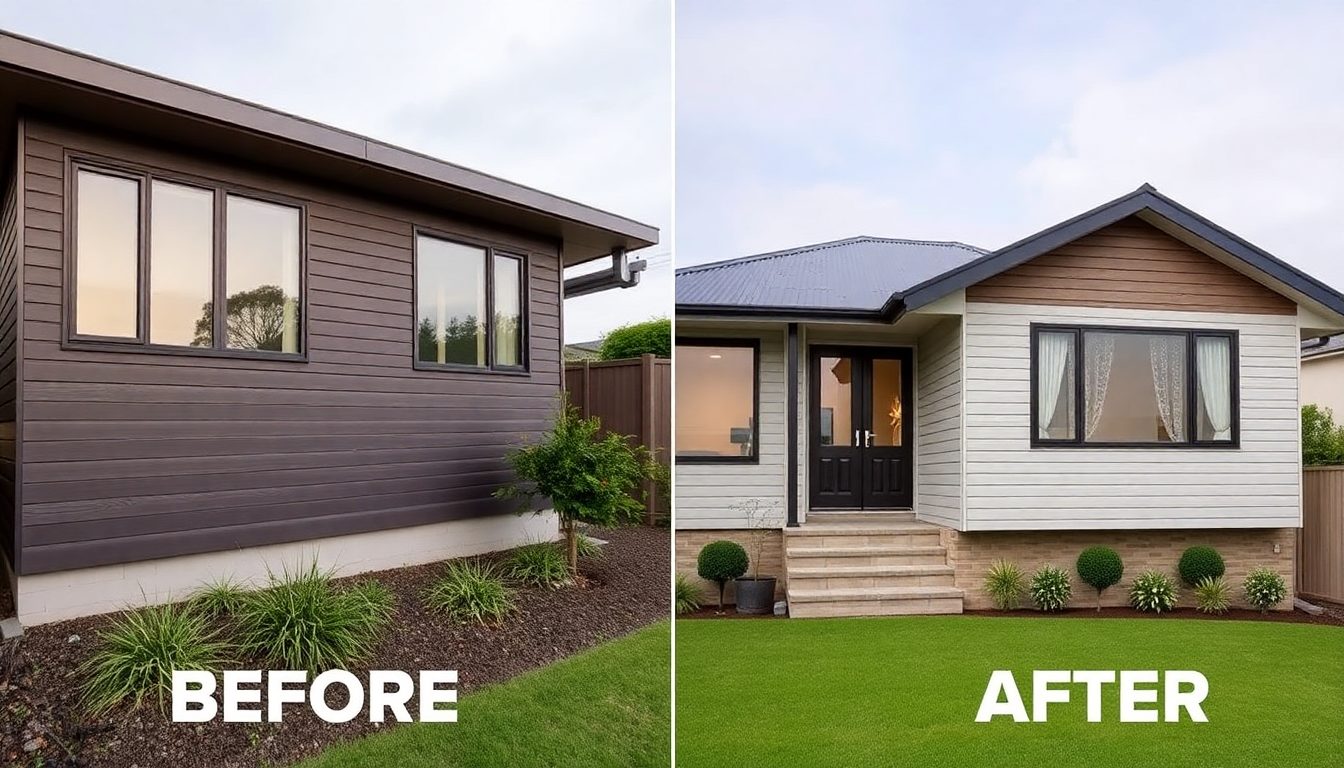
Quick Answer: What Does Recladding Cost in NZ?
Typical recladding costs (2026 pricing):
| House Size | Basic Recladding | Mid-Range | Premium |
|---|---|---|---|
| 100-120m2 (small home) | $35,000 – $55,000 | $55,000 – $75,000 | $75,000 – $100,000+ |
| 150-180m2 (medium home) | $50,000 – $85,000 | $85,000 – $120,000 | $120,000 – $160,000+ |
| 200-250m2 (large home) | $75,000 – $125,000 | $125,000 – $180,000 | $180,000 – $250,000+ |
_Ranges reflect different access conditions, material choices, and site complexity. Auckland pricing shown—other regions typically 10-20% lower._
Why Recladding Quotes Vary So Much
Recladding involves:
* Unknown conditions: Wall framing, moisture damage, and structural issues only become apparent once old cladding is removed
* Site-specific factors: Access, neighbouring properties, and ground conditions affect labour and equipment costs
* Material complexity: Different cladding systems have vastly different installation requirements
* Regulatory requirements: Consent requirements vary by location and scope of work
The 7 Biggest Drivers of Recladding Cost in NZ
1. Site Access and Scaffolding Requirements
Impact on cost: 15-30% of total project cost
Scaffolding isn't just about height—it's about safe, efficient access. Your costs vary based on:
* Site access: Narrow driveways, steep sections, or limited truck access increase setup time
* Neighbouring properties: Close boundaries require more complex scaffold design
* Ground conditions: Soft ground, decking, or established gardens affect scaffold base options
* Height and complexity: Two-storey homes with complex rooflines need more scaffold
Cost ranges:
* Simple single-storey: $8,000 – $15,000
* Two-storey with easy access: $15,000 – $25,000
* Complex/restricted access: $25,000 – $40,000+
2. Cladding Material Choice
Popular cladding options and typical costs per m2:
| Material | Cost per m2 (supply + install) | Pros | Cons |
|---|---|---|---|
| Weatherboard (pine) | $180 – $250 | Traditional look, paintable | Regular maintenance required |
| Cedar weatherboard | $250 – $350 | Natural durability, premium look | Higher upfront cost |
| Fibre cement | $200 – $280 | Low maintenance, fire resistant | Limited repair options |
| Vertical cedar | $280 – $380 | Modern aesthetic, fewer joints | Specialist installation required |
| Brick veneer | $350 – $500 | Very durable, thermal mass | Structural considerations |
Don't forget: Material cost is only part of the equation. Installation complexity, trim requirements, and finishing affect total cost significantly.
3. Hidden Damage and Structural Issues
The biggest unknown in any recladding project.
Once old cladding comes off, you might discover:
* Moisture damage: Rotted framing, particularly around windows and doors
* Inadequate framing: Missing dwangs, incorrect spacing, or structural modifications
* Building wrap issues: Old or damaged wrap requiring replacement
* Insulation problems: Missing, damaged, or inadequate insulation
* Electrical/plumbing: Services that need relocating or upgrading
Budget for contingencies:
* Minor issues: Budget 5-10% extra
* Homes with known leak history: Budget 15-25% extra
* Pre-1970s homes: Budget 10-20% extra for compliance upgrades
4. Window and Door Integration
Recladding around existing joinery requires careful flashing and weatherproofing. Your options:
* Work around existing windows: Cheaper upfront but may limit cladding options
* Replace windows during recladding: Better long-term result, coordinated flashing, modern performance
* Upgrade some, keep others: Focus budget on problem windows
Cost impact: Window replacement during recladding typically costs $800-$1,500 per window (compared to $1,200-$2,000 as a separate project).
5. Building Height and Shape Complexity
Why simple shapes cost less:
* Less cutting and wastage
* Simpler scaffold requirements
* Fewer corner details and flashings
* More efficient labour productivity
Cost multipliers for complexity:
* Simple rectangular plan: Baseline cost
* L-shaped or T-shaped plan: +10-15%
* Multiple roof levels: +15-25%
* Curved walls or unusual angles: +25-40%
6. Consent and Engineering Requirements
Building consent may be required if:
* Changing from one cladding system to another (e.g., brick to weatherboard)
* Structural modifications are needed
* The building is earthquake-prone or requires strengthening
* You're in a special character area or heritage zone
Consent-related costs:
* Building consent application: $2,000 – $5,000
* Architectural plans: $3,000 – $8,000
* Structural engineering (if required): $2,000 – $6,000
* Council inspections: $500 – $1,500
7. Finish Quality and Paint System
Paint isn't just about colour—it's about protection and longevity.
Paint system options:
* Standard acrylic: 7-10 year life, budget-friendly
* Premium acrylic: 10-15 year life, better fade resistance
* Low-maintenance systems: 15+ year life, higher upfront cost
Surface preparation matters: Proper priming, filling, and sanding adds $15-25 per m2 but dramatically improves longevity.
Recladding Quote Checklist: What to Ask Contractors
Before accepting any quote, ensure it addresses these key areas:
Scope and Inclusions
* What specific areas are included? (all walls, gables, soffits?)
* Is scaffolding included in the price?
* What happens to existing trim and weatherboards?
* Is waste disposal included?
* Are building wrap and cavity battens included?
Material Specifications
* Exact cladding product and grade specified?
* Paint system and number of coats?
* Flashing and trim materials specified?
* Insulation upgrades included or excluded?
Contingencies and Variations
* How are unexpected issues priced?
* What's the process for approving additional work?
* Are there any provisional sums for unknown work?
* What warranty is provided on workmanship?
Timeline and Process
* Estimated start date and completion timeframe?
* What could cause delays?
* How is weather protection handled?
* Who manages consent processes?
Recladding vs Other External Upgrades: What Should You Do First?
If you're considering multiple external upgrades, sequencing matters:
Recladding First Makes Sense If:
* Current cladding is leaking or failing
* You want to improve insulation while walls are open
* The roof is in reasonable condition (5+ years life left)
Roof First Makes Sense If:
* Roof is near end of life or leaking
* You want to change roof materials or add dormers
* Cladding is cosmetically tired but weather-tight
Do Both Together If:
* Both systems need work
* You want to coordinate colours and materials
* Scaffold can be shared between projects
How to Keep Recladding Costs Under Control
Smart Cost-Saving Strategies:
1. Choose simpler cladding profiles
Complex profiles with lots of shadow lines look great but cost more to install and maintain.
2. Minimise material changes
Using one cladding type throughout is more cost-effective than mixing materials.
3. Plan for standard sizes
Work with standard sheet and board sizes to minimise cutting and wastage.
4. Address the worst-affected areas first
If budget is tight, prioritise weather-facing walls and known problem areas.
5. Coordinate with other projects
Combine with window replacement or insulation upgrades to share setup costs.
False Economy: Where Not to Cut Costs
* Building wrap and cavity systems: These prevent future moisture problems
* Proper flashing: Cheap flashing causes expensive problems later
* Surface preparation: Rushing paint prep reduces system life significantly
* Structural repairs: Addressing issues properly the first time prevents bigger problems
Regional Price Variations Across NZ
Price variations by region (compared to Auckland baseline):
* Auckland: Highest prices due to demand and compliance costs
* Wellington: 5-10% lower, but complex sites common
* Christchurch: 10-15% lower, good contractor availability
* Hamilton/Tauranga: 10-20% lower than Auckland
* Dunedin/Invercargill: 15-25% lower, but fewer specialists
* Provincial towns: 20-30% lower costs, but limited material/contractor options
_Regional variations reflect local wages, material freight costs, and market competition._
Timeline: How Long Does Recladding Take?
Typical recladding timeline:
- Planning and consent (if required): 4-12 weeks
- Material ordering: 2-6 weeks lead time
- Scaffold setup: 1-2 days
- Old cladding removal: 2-5 days
- Structural repairs (if needed): 1-3 weeks
- New cladding installation: 2-6 weeks
- Painting and finishing: 1-2 weeks
- Scaffold removal and cleanup: 1-2 days
Total typical timeline: 8-16 weeks from consent to completion.
FAQs: Recladding Cost NZ
Do I need building consent for recladding?
Like-for-like replacement may not require consent. However, "changing cladding systems, adding insulation, or making structural changes typically does require consent."
Can I live in my home during recladding?
Yes, in most cases. The main disruptions are noise, dust, and limited access to some areas. Your contractor should provide a plan for minimising disruption.
How long will new cladding last?
With proper installation and maintenance: cedar weatherboards 25-40 years, fibre cement 30-50 years, brick veneer 50+ years. Paint systems typically need refreshing every 10-15 years.
Should I reclad or sell and buy something else?
If your home is in a desirable location and the internal layout works for you, recladding often provides better value than moving (when you factor in transaction costs, moving expenses, and market prices).
Can recladding improve my home's insulation?
Yes—recladding is an excellent opportunity to upgrade wall insulation, install better building wrap, and improve thermal performance. Budget an extra $15-25 per m2 for insulation upgrades.
What's the best time of year for recladding?
Late spring through early autumn (October-April) provides the most stable weather windows. Winter work is possible but may have more weather delays.
Next Steps: Getting Your Recladding Project Started
Ready to move forward with recladding? Here's how to ensure a successful project:
- Get a professional assessment—understand your specific cost drivers and options
- Obtain detailed quotes—use our checklist to ensure you're comparing like with like
- Plan your timeline—factor in consent processes and material lead times
- Set aside contingency funds—10-15% buffer for unexpected issues
- Choose experienced contractors—recladding expertise matters more than lowest price