
Granny Flat Auckland 2026: Cost, Consent Rules & How to Build One Legally
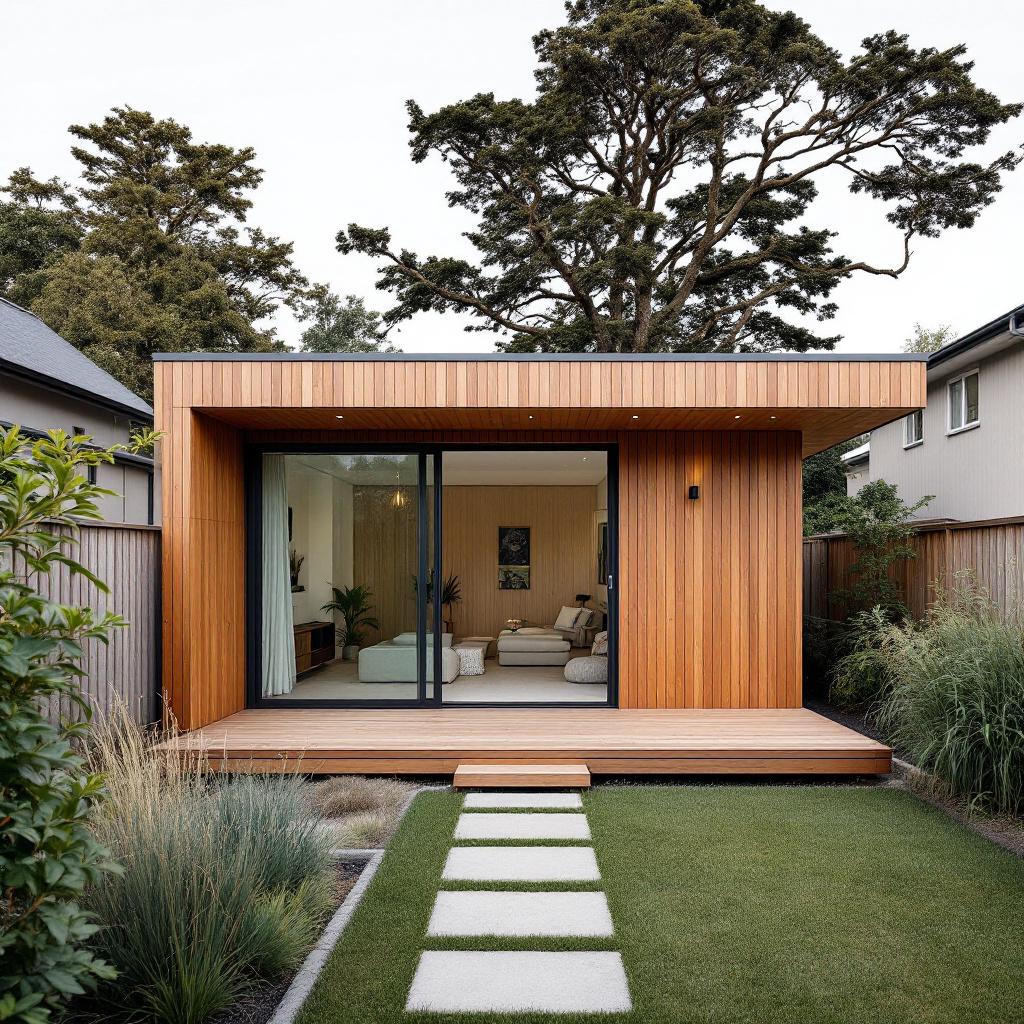
A granny flat on an Auckland section in 2026 typically costs between $110,000 and $280,000, takes four to nine months from design to final sign off, and almost always requires either building consent, resource consent, or both. The Auckland Unitary Plan sets strict rules on site coverage, height, and how the second dwelling connects to services. This guide answers the questions Auckland homeowners ask most often, based on current council rules and market pricing.
Planning a granny flat or minor dwelling on your section? We'll walk through your site, rules, and realistic budget before you commit to a design. Book a free consultation with QK.
What Is a Granny Flat Under Auckland Council Rules?
"Granny flat" is a colloquial term. Auckland Council and the Auckland Unitary Plan use more specific categories:
- Minor dwelling: a self contained secondary dwelling on the same title as the main house, with its own kitchen, bathroom, and living area. Typically capped at 65 square metres gross floor area in most residential zones.
- Sleepout or accessory building: a detached room without a kitchen, often used as a bedroom or study. Not a self contained dwelling.
- Second dwelling on a cross lease or subdivided title: a fully separate home, which is a different planning and consent pathway entirely.
In the Single House, Mixed Housing Suburban, and Mixed Housing Urban zones, a minor dwelling is generally permitted as an activity, but you still need to meet the rules on site coverage, height in relation to boundary, outdoor living space, and parking.
Key differences between these categories
- A minor dwelling can be rented out and functions as a separate home
- A sleepout without a kitchen usually doesn't count as a dwelling for planning purposes
- A second dwelling on a separated title requires subdivision consent, which is a much larger undertaking
Takeaways:
- Most Auckland "granny flats" are minor dwellings capped at 65 square metres
- A sleepout without cooking facilities has simpler rules but cannot legally be lived in full time as a household
- Zone matters: Single House zone is more restrictive than Mixed Housing zones
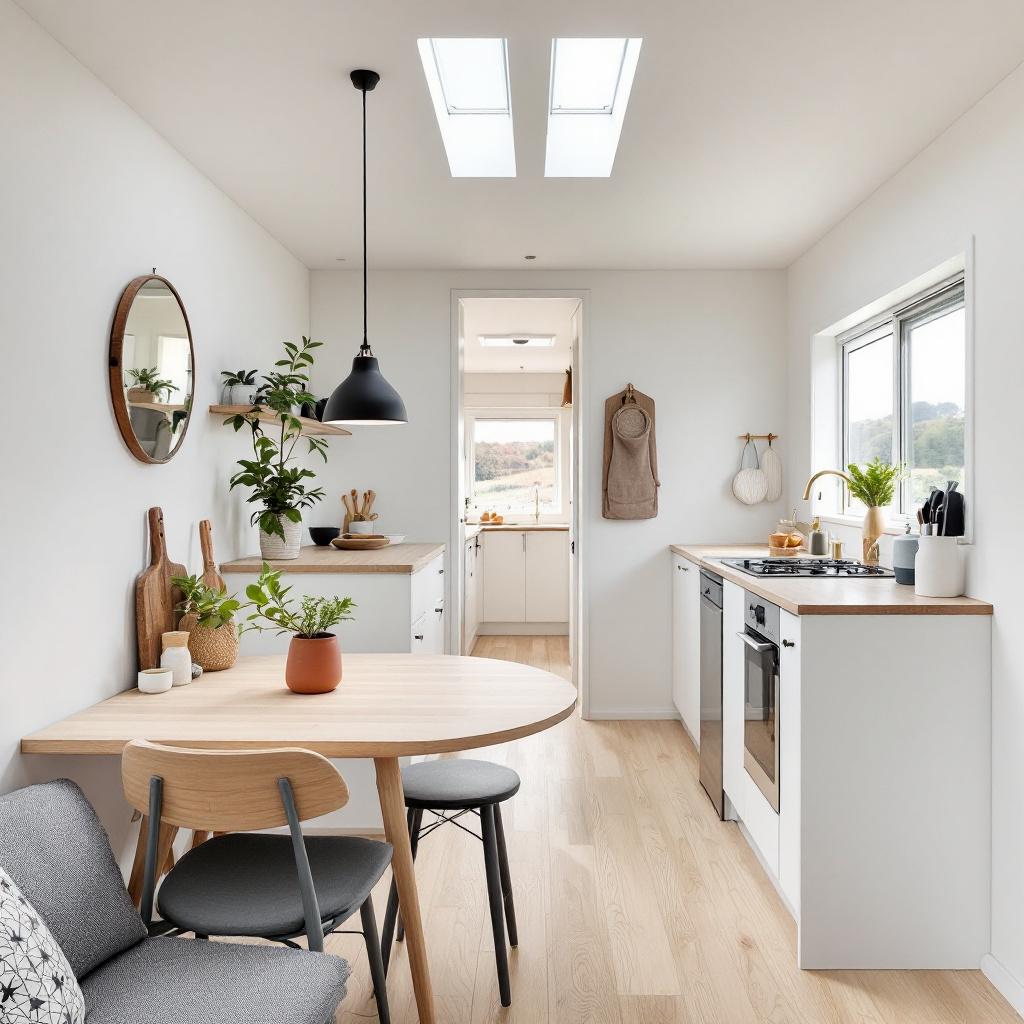
How Much Does a Granny Flat Cost in Auckland?
For 2026, realistic build ranges for an Auckland granny flat by category:
| Type | Typical size | 2026 Auckland cost range |
|---|---|---|
| Basic sleepout (no kitchen, no bathroom) | 12 to 20 m² | $30,000 to $65,000 |
| Sleepout with bathroom | 18 to 25 m² | $65,000 to $110,000 |
| Minor dwelling, standard spec | 40 to 55 m² | $140,000 to $220,000 |
| Minor dwelling, mid to high spec | 55 to 65 m² | $200,000 to $320,000 |
| Transportable or prefab minor dwelling | 40 to 55 m² | $130,000 to $230,000 (delivered and connected) |
These figures assume you already own the land and cover the build, consent, basic site works, and standard services connection. They do not include major retaining, long service trenches, or expensive site access.
What Drives the Cost
Several factors move a granny flat budget inside or outside these ranges:
- Services connection distance: every metre of trenching for water, wastewater, power, and data adds cost. A flat 5 metres from the main house is much cheaper than one tucked at the back of a deep section
- Wastewater: connecting to the existing main line is straightforward, but if the council requires a new lateral or a pump station, add $8,000 to $25,000
- Foundations: flat compacted sites take a standard slab; sloping or soft ground needs piles or retaining
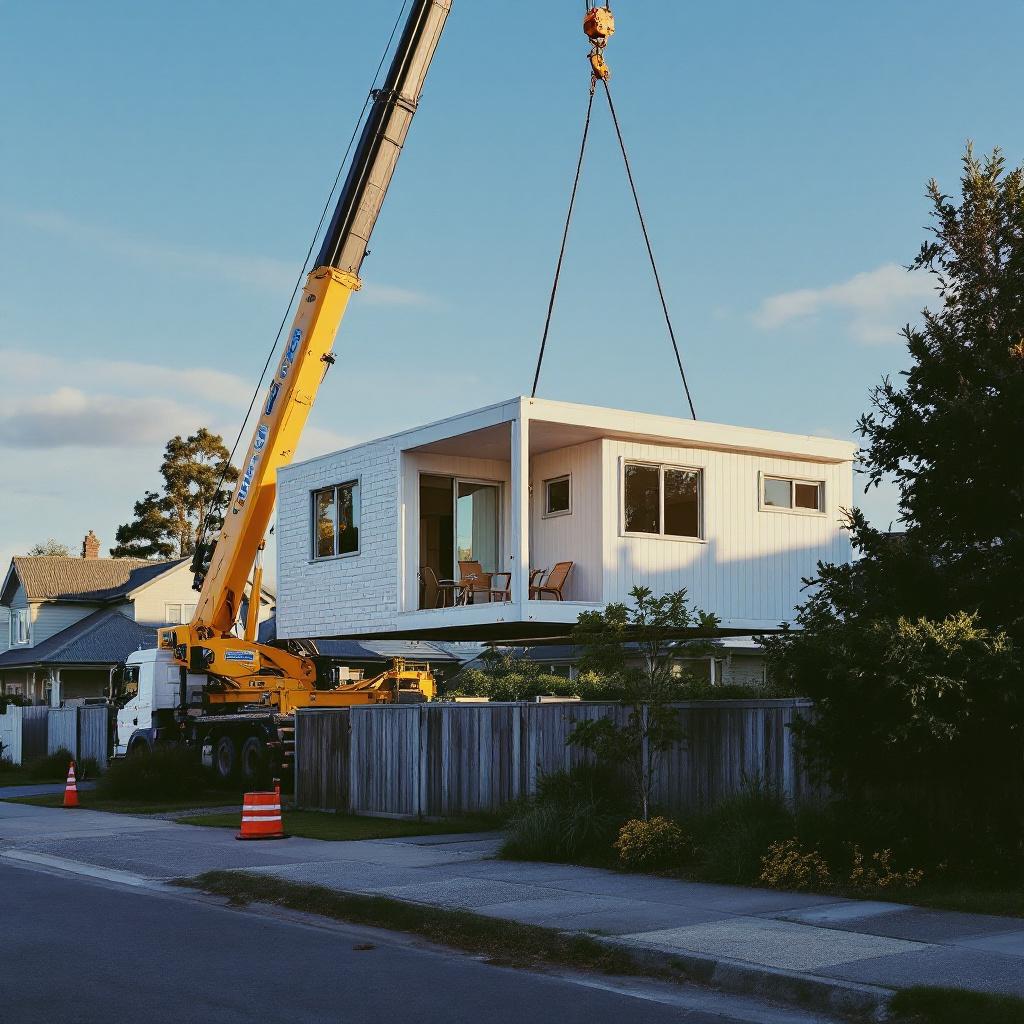
- Prefab vs site build: prefab modules are often 10 to 20 percent cheaper and faster, but delivery access, craneage, and foundations still matter
- Fit out spec: kitchen, bathroom, and joinery finishes can swing the final cost by $30,000 to $60,000
A cost plan of $170,000 to $240,000 is a reasonable planning figure for a typical 50 square metre minor dwelling on a flat Auckland section with services nearby.
Takeaways:
- Basic sleepouts start near $30,000; fully self contained minor dwellings rarely come in under $140,000
- Services distance and wastewater connection are the two biggest hidden cost variables
- Prefab can save time and money if site access and foundations suit
Do You Need Council Consent for a Granny Flat in Auckland?
Almost always, yes. There are two layers to consider:
Building consent
Any structure with plumbing, power, or over 10 square metres of floor area typically needs building consent from Auckland Council. A self contained minor dwelling will always need it. Even a basic sleepout with any plumbing fixtures will need it.
The narrow exemption under Schedule 1 of the Building Act covers single storey detached buildings up to 30 square metres, no plumbing, and built under a licensed building practitioner's supervision. Most granny flats do not fit this because they include a bathroom or kitchen.
Resource consent
Resource consent is separate and deals with the Unitary Plan rules. It's triggered when the proposed building breaches:
- Site coverage (total building footprint as a percentage of the section)
- Impervious surface area (driveways, paths, patios combined with buildings)
- Height in relation to boundary (the recession plane from neighbouring boundaries)
- Yard setbacks (minimum distance from front, side, and rear boundaries)
- Outdoor living space requirements (usable private open space for the main house)
- Parking (some zones require on site parking for a second dwelling)
In practice, many Auckland granny flat projects need resource consent because fitting a second dwelling on a typical 600 to 800 square metre suburban section often breaches at least one of these rules.
Consent and design costs
Budget for:
- Building consent fees: $2,500 to $5,500 for a minor dwelling
- Resource consent (if required): $4,000 to $15,000+ depending on complexity
- Architect or designer: $8,000 to $20,000 for a minor dwelling
- Engineering: $2,500 to $8,000 for foundations and structural sign off
- Surveyor (if needed for site plans): $1,500 to $4,000
For a full minor dwelling project, total pre construction costs typically run $15,000 to $40,000 on top of the build itself.
Takeaways:
- Building consent is required for almost any granny flat with plumbing or over 30 square metres
- Resource consent is common in Auckland because site coverage and recession planes are tight
- Pre construction design and consent costs commonly add $15,000 to $40,000
How Long Does a Granny Flat Take to Build in Auckland?
A realistic timeline from first concept to move in:
- Design and feasibility: 3 to 6 weeks
- Consent applications (building and resource if needed): 8 to 20 weeks
- Construction (site build): 14 to 28 weeks
- Construction (prefab or transportable): 8 to 16 weeks on site, plus 6 to 12 weeks factory build
- Final council inspections and CCC: 2 to 6 weeks after build completion
Total: 6 to 11 months for a site built minor dwelling, 5 to 8 months for a well planned prefab, assuming no major council or weather delays.
Where projects stall
- Resource consent requests for further information (RFIs) that were avoidable with better initial documentation
- Wastewater connection design changes after council review
- Neighbour approvals required for infringements to boundary rules
- Service connection delays (Vector, Watercare)
Takeaways:
- Plan 6 to 11 months total; compress this only with a proven prefab supplier
- Resource consent RFIs are the most common delay
- Front loading design and engineering time prevents mid build variations
Can You Rent Out a Granny Flat in Auckland?
Yes, if it's a legal minor dwelling with a Code Compliance Certificate (CCC). A few things to know:
- Rental income: a well located 50 square metre minor dwelling in central Auckland suburbs typically rents for $450 to $650 per week in 2026. Outer suburbs $320 to $480.
- Tenancy rules: the Residential Tenancies Act applies the same as any rental. Healthy Homes Standards must be met (insulation, heating, ventilation, moisture, drainage, draught stopping).
- Tax implications: rental income is taxable, and depreciation rules for residential buildings apply. Talk to an accountant before you start.
- Insurance: your home insurance policy needs to cover the additional dwelling and the rental use. Premiums go up.
Some Auckland homeowners use the granny flat themselves (for aging parents, teenage kids, home office, or short term family guests), which avoids the rental compliance layer but obviously removes the income offset.
Payback for an investor focused build
A $220,000 minor dwelling renting at $550 per week grosses roughly $28,600 per year. After rates, insurance, maintenance, and tax, net yield lands between 4 and 6 percent of build cost in most Auckland suburbs. Payback on the build cost alone runs 15 to 25 years; the main financial upside is the uplift in property value, which is typically 70 to 100 percent of the minor dwelling build cost when the property is resold.
Takeaways:
- Legal minor dwellings with CCC can be rented under standard tenancy rules
- Healthy Homes Standards apply and insurance needs updating
- Expected rental yields run 4 to 6 percent net of costs in most Auckland suburbs
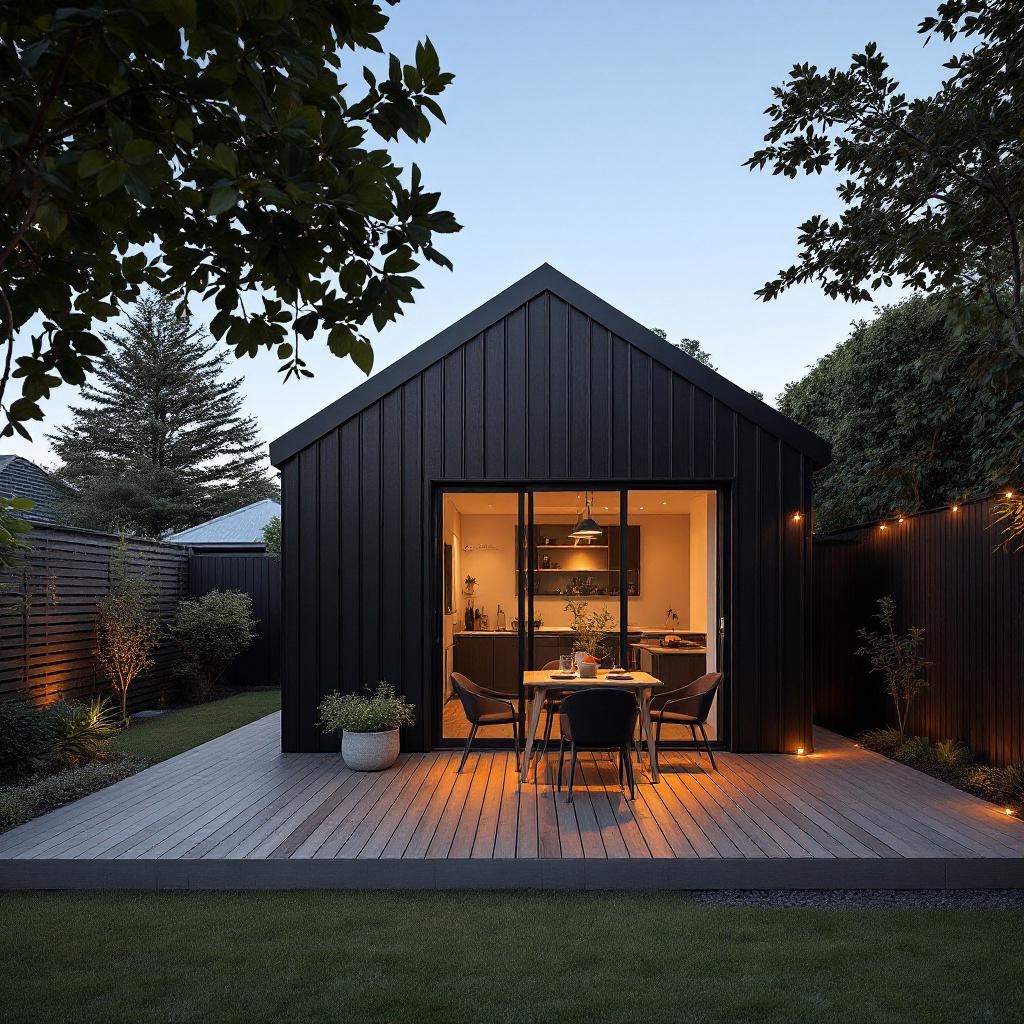
What's the Best Type of Granny Flat for an Auckland Section?
The right answer depends on three site factors:
- Available footprint after site coverage rules: in Mixed Housing Suburban on a 650 square metre section, you often have 30 to 60 square metres of build capacity left after the main house
- Access for construction: sites with wide side access or rear access suit site builds; constrained sites often favour prefab with craneage
- Services proximity: the further from the main house, the more site build makes economic sense because trenching happens anyway
Rough decision matrix
- Small footprint, easy access, quick turnaround needed: prefab or transportable
- Integrated design with existing house, matching cladding and roof: site build
- Budget under $160,000 total: transportable, prefab, or compact site build with simplified spec
- High spec rental or family use, unique site: architect designed site build
For a broader look at how minor dwellings compare to sleepouts and granny flats, the home renovation and extensions service page covers our full approach.
Takeaways:
- Site coverage, access, and service distance determine the best build type
- Prefab wins on cost and speed for simple briefs
- Site build is worth the premium when integration with the main house matters
FAQs
What's the difference between a granny flat and a minor dwelling in Auckland?
"Granny flat" is informal. Auckland Council calls a self contained secondary dwelling a minor dwelling, typically capped at 65 square metres. A sleepout is a detached room without a kitchen and has simpler rules but cannot function as a full time separate home.
Can I build a granny flat without consent?
Only in very limited cases. A detached building under 30 square metres with no plumbing and no kitchen, built under a licensed building practitioner, can fall under Schedule 1 exemption. Most granny flats include a bathroom or kitchen and need consent.
How much does it cost to connect a granny flat to services?
Services connection typically runs $8,000 to $30,000 depending on distance to the main house, wastewater configuration, and whether new meters are required. Long trenches across a sloping site push this higher.
Can I put a tiny house or cabin on wheels on my Auckland section?
Technically you can park one, but using it as a permanent dwelling triggers the same consent requirements as a fixed building. Council treats dwelling use by occupancy, not construction type.
Will a granny flat add value to my Auckland property?
Usually yes. Added valuation typically equals 70 to 100 percent of build cost, with income potential from $17,000 to $34,000 per year gross. The largest value uplift comes from properties in zones where a second dwelling is permitted activity and demand for smaller rentals is strong.
Next Step: Check if Your Site Works Before You Design
The cheapest mistake to avoid is spending $15,000 on plans for a granny flat your site can't legally fit. Before engaging an architect, it's worth a 30 minute site review to check zone rules, site coverage, services proximity, and likely consent pathway.
QK handles minor dwellings, sleepouts, and full home renovations across Auckland. If you'd like a realistic feasibility check before you commit to a design, book a free site visit. We'll flag what's permitted on your section, rough out a budget range, and give you a clear view of the consent pathway.
For homeowners weighing an extension instead, see our guide on house extension cost in Auckland for 2026.
Authoritative reference: the Auckland Unitary Plan and Building Act 2004 Schedule 1 are the two source documents for what's legally possible on your site. Auckland Council's Unitary Plan viewer shows the zone and controls for any address.