
Kitchen Cabinetry Cost NZ: Flatpack vs Semi-Custom vs Custom
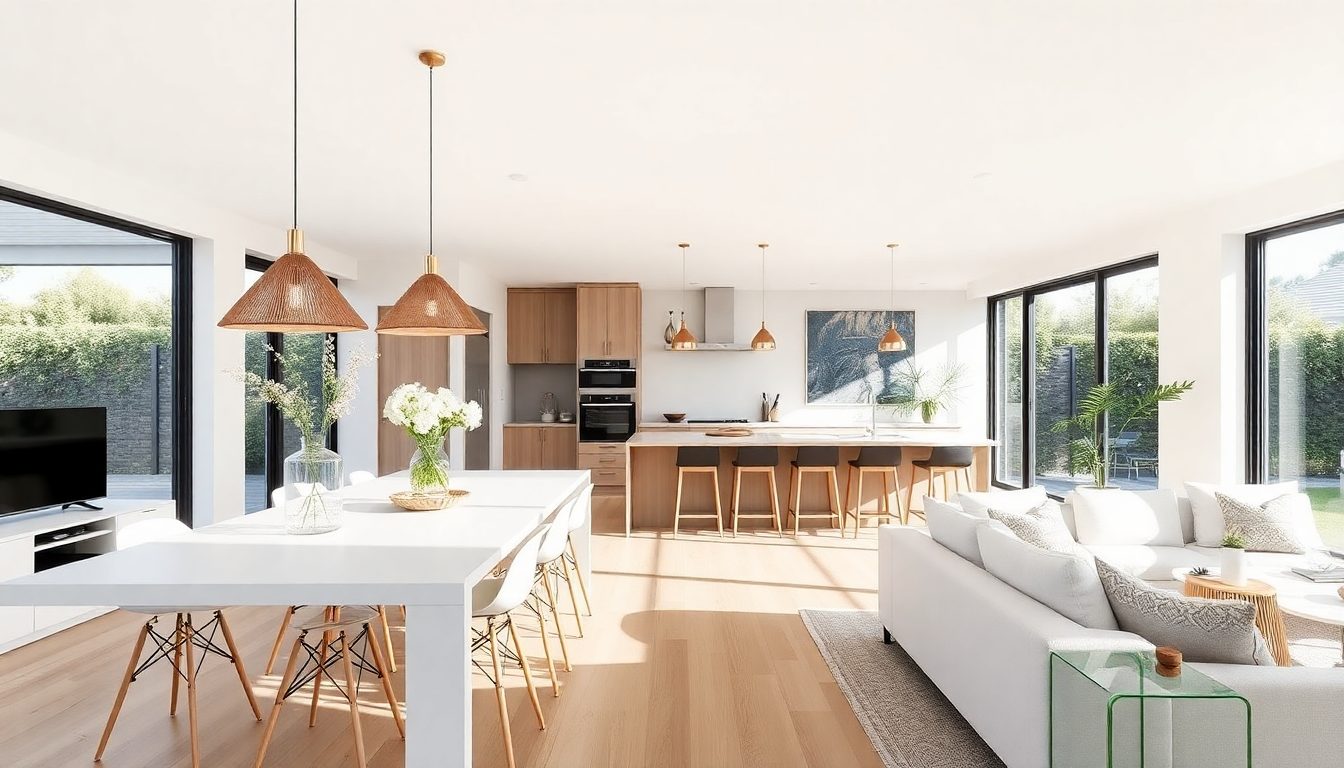
The counter-intuitive reality is that choosing between cabinet types isn't what determines your final budget. Rather, it's the scope (quantity of cabinets), complexity (drawers, corners, tall units), and finishing choices plus hardware selections that quietly accumulate costs.
Get a quote via Contact QK Renovation and we'll map options to your space and timeline.
Kitchen cabinetry cost overview (NZ reality check)
Quick comparison: flatpack vs semi-custom vs custom cabinetry (NZ)
| Option | Best for | Typical lead time | Cost position | Biggest watch-outs |
|---|---|---|---|---|
| Flatpack | Simple layouts, standard sizes, tight budgets | Fast (stock-based) | Lowest | Corner/tall-unit upgrades, alignment issues, limited sizing |
| Semi-custom | Most NZ family kitchens | Medium | Mid | Final cost moves with drawers, pantry fit-outs, finishes |
| Custom | Awkward spaces, integrated appliances, long-term "forever" kitchens | Longest | Highest | Paying for complexity—design quality matters |
Cabinetry cost components:
- Manufacturing cost (materials, doors, carcasses)
- Hardware (hinges, runners, handles—often where "small upgrades" add up)
- Design + documentation (especially for custom/semi-custom)
- Installation labour (site conditions, leveling, wall fixes)
- Extras (pantry fit-outs, bin systems, lighting channels, filler panels)
Flatpack cabinets: when they make sense (and when they don't)
When flatpack works well:
- The kitchen is a simple L-shape or straight run
- You're working within standard sizes
- You're okay with fewer bespoke features
Where flatpack often falls short:
- Awkward corners and out-of-square walls (common in older NZ homes)
- When you want integrated appliances, custom pantries, or seamless tall units
- When DIY assembly introduces alignment issues (doors/drawers never quite right)
Flatpack cost traps
- Upgrading to drawers (more expensive than doors)
- Corner solutions (LeMans / carousel systems)
- Soft-close hardware upgrades across the whole kitchen
Semi-custom cabinets: the "best value" middle ground
Semi-custom typically provides:
- Better design support
- More finish options
- Better fit for NZ wall variations
- Higher chance the kitchen looks intentional, not "modular"
You pay for this through:
- More planning time
- More detailed quoting
- More installation complexity (but usually better end result)
Custom cabinets: when the premium is actually worth it
Custom cabinetry justifies the investment when:
- You want maximum storage for a small footprint
- You need exact appliance integration
- You're doing a long-term home and care about daily usability
- Your space has constraints (bulkheads, windows, odd angles)
However, custom doesn't guarantee quality—poor design in custom is simply expensive poor design.
What drives cabinetry price most (the 7 big levers)
1) Cabinet count and total run length
More cabinets equals more materials plus more install time. This represents the biggest cost driver.
2) Drawer-heavy layouts
Drawers deliver superior usability—but they cost more than doors. A drawer-heavy base run can shift the budget quickly.
3) Tall cabinets and pantry systems
Tall units add material and handling complexity. Internal pantry fit-outs can introduce surprising cost increases.
4) Door finish and profile
Painted finishes, textured laminates, and premium profiles cost more than basic melamine/laminate options.
5) Hardware (hinges, runners, internal organisers)
Soft-close mechanisms, heavy-duty runners, pull-out bins, spice racks—each seems minor, but multiplied across 15–30 cabinets it becomes significant.
6) Installation complexity
- Out-of-level floors
- Damaged plaster
- Old homes where nothing is square
- Relocating plumbing/electrical behind cabinets
7) Design changes and late decisions
Late changes are expensive. The fastest way to exceed budget is deciding on upgrades after ordering.
How cabinetry fits into your total kitchen renovation cost
Cabinetry interacts with:
- Benchtops (thickness, overhangs, waterfall ends)
- Plumbing (sink + waste + dishwasher)
- Electrical (appliance circuits, lighting)
- Flooring (whether cabinets sit on top or the floor runs underneath)
Cabinetry budget tiers (a practical way to think about it)
Rather than pursuing a single "per-metre" figure, budget tiers offer more practical guidance.
Rough Auckland estimates (cabinetry supply + install only, excluding benchtops/appliances):
- Budget tier (flatpack / basic modular): approximately $8,000–$15,000 NZD
- Mid tier (semi-custom, more drawers + better fit): approximately $15,000–$25,000 NZD
- Premium tier (custom, tall units, integrated appliances, premium finishes/organisers): approximately $25,000–$45,000+ NZD
These ranges shift most with cabinet count/run length, drawer-heavy layouts, tall pantry walls, and whether you're changing plumbing/electrical behind the cabinets.
Choosing the right tier:
- Budget tier: best for simple layouts and standard sizes. Prioritise durable hinges/runners and keep finishes straightforward.
- Mid tier: where most long-term family kitchens land. You can afford more drawers, better storage, and a cleaner built-in look.
- Premium tier: driven by tall units, integrated appliances, premium finishes, and high-end internal organisers.
The useful question is: which tier matches your home and how long you plan to stay? If you're planning to live with the kitchen daily for 10+ years, spending on drawers plus workflow usually beats spending on "Instagram features."
A fast checklist to get an accurate cabinetry quote
A quote is only as reliable as the information provided. To receive numbers that don't escalate mid-project, prepare:
- Room photos + measurements (walls, windows, ceiling height)
- Appliance list (fridge width, oven type, cooktop, rangehood, dishwasher)
- Plumbing notes (are you moving sink/dishwasher?)
- Must-have storage features (pantry, bins, corner solutions)
- Finish preferences (door style, colour, hardware)
Then ask the builder/cabinet maker to confirm what's included:
- Demo and disposal?
- Making good walls/floors behind old cabinets?
- Splashback coordination?
- Electrical/plumbing allowance?
How to save money on cabinetry without ending up with a "cheap" kitchen
- Keep the layout simple (avoid unnecessary corners)
- Use drawers strategically (heavy-use zones first)
- Standardise door sizes where possible
- Spend on hardware you touch daily (runners/hinges), save on non-critical extras
- Lock decisions early (avoid variation costs)
Common mistakes to avoid
- Designing for looks, not workflow (prep zone too small, fridge swing blocks drawers)
- Underestimating wall/floor issues in older homes
- Treating cabinetry as separate from the appliance plan
- Picking finishes before confirming lighting (a colour that looks great in-store can look flat under warm LEDs)
How to make cabinetry decisions that improve daily life (not just resale)
If you're torn between spending on better finishes versus better function, prioritise the things you touch every day:
- Drawers in the main prep zone (more usable than deep cupboards)
- A proper bin solution near the sink/prep area
- A pantry that matches your shopping habits (bulk items vs small items)
- Landing space beside the cooktop and beside the fridge
A kitchen that feels "expensive" is often just a kitchen that works.
A simple real-world example (why scope beats "flatpack vs custom")
Two kitchens can both be described as "mid-sized," but price diverges fast:
- Kitchen A: straight run + island, mostly doors, limited tall units
- Kitchen B: L-shape + tall pantry wall, drawer-heavy base cabinets, integrated dishwasher panel, corner solutions
Even if Kitchen B uses a similar door finish, the extra drawers, tall units, and fit-out complexity can move the cabinetry allowance significantly. This is why getting a quote based on your exact layout beats trying to budget from generic averages.
Cabinet hardware costs (hinges, runners, handles): where budgets quietly blow out
Hardware is the classic "small line item" that becomes substantial once multiplied across the whole kitchen. If you're trying to keep cabinetry costs under control, treat hardware as a system decision, not a series of one-off upgrades.
Hardware cost considerations:
- Hinges and drawer runners: Soft-close is now close to standard in many ranges, but heavy-duty runners for wide drawers (pots, plates) can cost more. If you're going drawer-heavy, ask what runner grade is included.
- Handles vs handleless profiles: Handleless looks clean, but it can increase joinery complexity and finishing requirements. If you want the look without the premium, consider simple modern pulls with consistent sizing across the kitchen.
- Internal organisers: Pull-out bins, spice racks, corner systems and pantry fit-outs are useful, but they add up fast. Prioritise organisers in the zones that actually get daily use (prep + waste + pantry), and leave secondary cupboards simple.
- Consistency saves money: Using one or two handle types and keeping drawer widths standard reduces both material cost and install complexity.
Practical approach:
Decide on your must-have functionality first (drawers where you prep, bin system, pantry), then choose hardware that supports that function. If you pick hardware last, it often becomes an expensive series of compromises.
If you're comparing quotes, ask whether hardware is specified by brand/model or just described as "soft-close". Vague specs are where budgets creep. Getting it written down early makes it much easier to compare equivalent offerings.
FAQs
Is flatpack cheaper than custom cabinetry in NZ?
"Usually, yes—but the gap narrows quickly once you add drawers, corner solutions, and premium hardware."
What's the biggest cost driver for kitchen cabinetry?
"Scope and complexity: how many cabinets, how many drawers, tall units, and how custom the fit needs to be."
Is semi-custom worth it?
"Often the best balance for NZ homes: better fit and finish than basic modular systems without full bespoke cost."
Do I need custom cabinets in an older NZ home?
"Not always, but older homes are more likely to need non-standard solutions to avoid awkward gaps and poor alignment."
How do I get a realistic cabinetry quote?
"Share a rough layout, photos of the space, and your appliance list. That lets the quote account for real constraints."
Next step
If you want a practical budget range for your exact kitchen (and clarity on what you can cut without regret), talk to QK Renovation:
- Kitchen renovations service page
- Contact QK Renovation for a scoped quote
Authority reference: For building work guidance in NZ, see MBIE's consumer guidance: https://www.building.govt.nz/
Ready to start your renovation?
Get a free, no-obligation quote from Auckland's trusted renovation builders.
Need expert renovation advice?
Call us on 0800 991 234 or request a free consultation online.