
Home Renovation Auckland (2026): Cost, Timeline & What to Renovate First
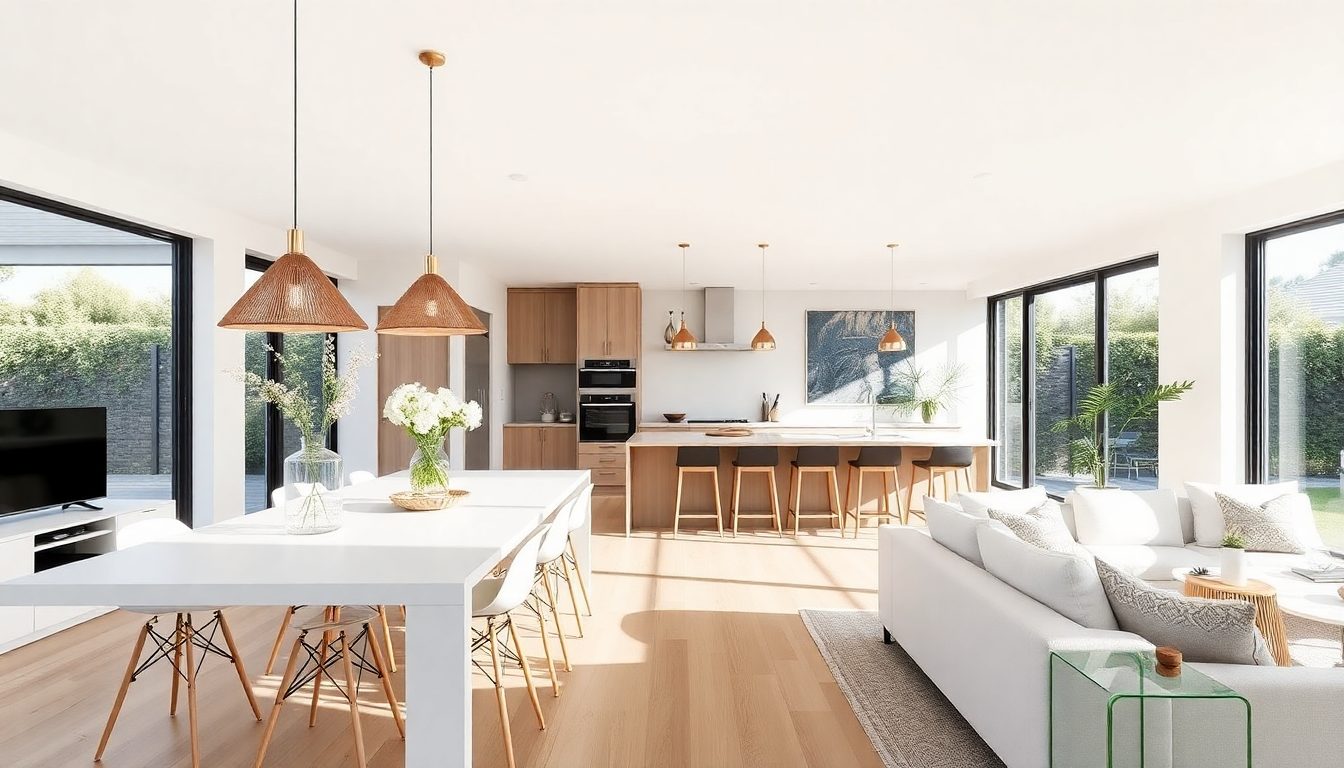
If you're planning a home renovation in Auckland, you're not alone. In 2026, many homeowners want an updated, move-in ready home but they also want certainty around budget and timelines. This pillar guide is written from a contractor's perspective: what actually drives cost, what causes delays, and how to plan a renovation that delivers real day-to-day improvements (not just pretty photos).
Why "move-in ready" homes are winning in 2026
Across New Zealand, buyers have become less enthusiastic about "doer-uppers". When building and renovation costs fluctuate, many people would rather pay for a finished result than face uncertainty. A smart renovation plan focuses on:
- Scope clarity (what is included and what isn't)
- Realistic timelines (including lead times and curing times)
- Risk control (hidden damage, variations, product delays)
- Project coordination (one plan, one schedule, one point of contact)
What to renovate first (bathroom vs kitchen vs whole-home)
The "right" starting point depends on your biggest constraint: comfort, resale appeal, or budget certainty.
Start with a bathroom renovation (fast "new home" feeling)
Bathrooms deliver a huge perception upgrade quickly and they're also where hidden issues (waterproofing, ventilation) can cause the most damage if ignored.
- Best if your current bathroom looks dated or has moisture risk.
- Great if you want a contained project with a clear start/finish.
- Often the best "first win" if you're nervous about renovating.
Upgrade the kitchen (daily-use impact)
Kitchens are the heart of the home. Even without moving walls, cabinetry, benchtops, lighting and appliances can transform function and comfort.
- Best if the kitchen is your daily pain point.
- Strong impact on how "modern" the home feels.
- Great if you want to improve layout flow and storage.
Whole-home renovation (biggest transformation)
Whole-home projects are ideal when multiple rooms need attention or layout flow is poor. The key is sequencing: do structural and services early, then finishes last.
Scope checklist: must-haves vs nice-to-haves
Most renovation frustration comes from scope creep. Before demolition, write your scope in plain English and split it into must-haves and nice-to-haves.
Must-haves (scope lock)
- Layout decisions (keep or move plumbing/electrical)
- Product selections (tiles, vanity, tapware, cabinetry, lighting)
- Finish level (economy / mid-range / premium)
- Ventilation, waterproofing, compliance items
- Access needs (kids, elderly, mobility considerations)
Nice-to-haves (only if budget allows)
- Feature walls or premium tiles throughout
- Designer fixtures and statement lighting
- Non-essential structural changes
- Extra built-in cabinetry beyond core storage needs
A simple scope template
Use this structure in a note (or spreadsheet) before you request quotes:
- Rooms included: (bathroom, kitchen, laundry, hallway, etc.)
- What stays: (keep layout, keep plumbing points)
- What changes: (new vanity, new lighting, tiled shower)
- Finish level: (economy/mid/premium)
- Timeline target: (date range + constraints)
- Non-negotiables: (e.g., second bathroom must remain usable)
Budget breakdown + realistic Auckland price ranges
The budget is decided by scope (layout changes), labour (Auckland rates), and the finish level you choose.
Typical Auckland renovation ranges (rule-of-thumb)
- Bathroom refresh: ~$8,000-$15,000 (minimal layout change)
- Mid-range bathroom renovation: ~$15,000-$30,000
- Full bathroom transformation: ~$30,000-$60,000+
- Kitchen renovation: commonly ~$25,000-$45,000+ depending on cabinetry and appliances
- Whole-home renovation: very scope-dependent (often $80,000-$250,000+ for larger projects)
Note: These are common market ranges in Auckland. Final pricing depends on your scope, product selections, and what's discovered after demolition.
Where the money really goes (simple breakdown)
- Demolition + disposal
- Plumbing + electrical (especially if relocating)
- Waterproofing + substrate prep
- Fixtures and finishes (tiles, tapware, vanity, cabinetry)
- Labour + project management
- Contingency (for hidden issues)
What increases cost the fastest?
- Moving plumbing: big labour + risk multiplier.
- Structural changes: framing, engineering, consent implications.
- Premium finishes: stone, bespoke cabinetry, designer fixtures.
- Hidden issues: rotten timber, uneven substrate, old waterproofing failures.
Timelines: what happens each week (and why projects slip)
Exact schedules vary, but these baselines are realistic:
- Bathroom: ~2-4 weeks
- Kitchen: ~4-6 weeks
- Whole-home: ~2-6 months+
Why timelines slip (the usual suspects)
- Late product changes (lead times)
- Hidden substrate damage discovered after demolition
- Scope changes (moving plumbing/electrical late)
- Rushing drying/curing time between stages
The mistakes that cause blowouts (real-world)
The most expensive renovations are the ones that get "half-done" and then re-done. The blowouts usually come from the same patterns.
1) Changing the plan mid-build
Mid-build changes are the fastest path to delays and unexpected cost. Lock selections early, and treat changes as a controlled variation process (scope + cost + time impact before approval).
2) Underestimating plumbing and electrical changes
Relocating services can be worth it for function but decide early. Late changes often mean rework.
3) Skipping ventilation/waterproofing priorities
These don't look exciting, but they keep the renovation durable. Rushing waterproofing curing is one of the quickest ways to create a future failure.
4) Not planning product lead times
Special-order tiles, custom cabinetry, and certain fixtures can add weeks. Decide early, order early, and confirm lead times before demolition.
Which upgrades add the most comfort and perceived value?
"Value" encompasses both resale potential and everyday livability. In Auckland homes, these upgrades often deliver the biggest comfort impact:
- Bathroom upgrade (layout function + ventilation + waterproofing done right)
- Kitchen functionality (storage, lighting, workflow)
- Lighting plan (layered lighting makes spaces feel newer instantly)
- Storage (custom or improved cabinetry reduces clutter)
- Paint + trims (simple but powerful for "fresh" feel)
Auckland considerations (access, parking, noise, neighbours)
Auckland renovations often have practical constraints that affect time and cost:
- Parking and access: where trades can park and where materials can be staged.
- Neighbour proximity: noise limits and access timing.
- Site logistics: stairs, narrow hallways, apartment rules (if applicable).
Good planning accounts for these early so the job doesn't stall on day one.
Pre-renovation preparation checklist
- Confirm scope and sign off on key selections
- Clear access paths and protect floors where needed
- Confirm parking/material staging
- Plan disruption (bathroom access, cooking, pets, kids)
- Decide communication cadence (daily check-in vs weekly)
How to choose a renovation company in Auckland
- Licensed/qualified trades
- Insurance + warranty terms
- Clear scope with exclusions
- Staged payments tied to milestones
- Project management
- Portfolio of similar Auckland projects
Questions to ask before you sign
- What exactly is included (and excluded) in this quote?
- What are the biggest risks you see in this house?
- What is the realistic timeline, including lead times?
- How are variations handled?
- Who is my day-to-day contact?
- What warranty applies to workmanship?
Related cost guides (NZ/Auckland)
- Recladding cost in NZ: pricing drivers + planning
- Kitchen renovation cost in NZ: what to expect + how to save
- Roof replacement cost in NZ: key factors and ranges
- Bathroom remodel cost + process (NZ)
FAQs
How much does a home renovation cost in Auckland?
It depends on scope, materials, and structural work. A site visit + tailored quote is the most accurate approach.
Should I renovate the bathroom or kitchen first?
Bathrooms often deliver the quickest visual upgrade; kitchens usually deliver the biggest daily-use impact.
Do I need council consent?
Some structural and plumbing changes require consent. Project managers can advise and manage the process if needed.
How do I avoid budget blowouts?
"Lock scope early, confirm lead times, and keep a contingency for hidden issues."
Ready to talk? Contact QK Renovation or call 020 1220 1272.